



Tips for a sustainable home vegetable garden
Thinking about starting your own home vetegable garden? These are the very basics
Looking for tips to grow a home vegetable garden is an increasingly appealing thing for a lot of families. First and foremost, because the building of the garden itself is an enticing thought on its own. Second of all, because the consequence of said building is having a bunch of edible and or aromatic plants at our disposal. And, last but not least, because for homes with kids, it’s a great way to teach responsibility and agency to our little ones, through taking care of other living things. It’s also a path towards understanding natural processes, and to give nature its due value, not to mention the great gateway that a vegetable garden is to gastronomy.
Some preliminary advice for your home vegetable garden
- Be mindful of what you choose to plant. Many vegetables don’t require complex care to survive or even to thrive. However, one must know that most plants are seasonal beings that suffer through certain seasons. There is a crop rotation for every time of the year: choose yours according to the season and where you are geographically in the world.
- Don’t plant the same species twice on the same spot. Just like the Miyawaki method of reforestation teaches us, plants grow better in an environment of biodiversity. Among other reasons, this is due to not all species needing the same nutrients. If you scatter the species over your garden, they are less likely to drain the earth of a single resource.
- Use sustainable materials. The whole point of having a home vegetable garden is to foster sustainable practices among our daily life. It would be a pity, a waste, and a big contradiction to have a beautiful fruitful home garden built on polluting materials like single use plastics.
Take advantage of your space’s natural resources
Besides considering which vegetables to plant, it is advisable to use the natural resources of the space to the garden’s advantage. For instance, a sunny terrace will welcome rainfed, heliophilic plants (those who need a lot of direct sun), whereas a more shady area is better for vegetables that need higher levels of moisture. You will feel it if you plant something that needs a lot of direct light and then doesn’t get it.
Adapting to the elements your space offers will save you time and resources. If you have a wall or fence, you can calculate the sun’s trajectory throughout the day and the seasons to plant your garden on either side of it.
Keep in mind other variables, such as drain placement and wind direction.
A terracotta wall for your home vegetable garden
Just like professor Salvo Tierra explained to us when we talked to him about the island of Alboranic biodiversity, our Andalusian ancestors figured out hundreds of years ago that fired clay was agriculture’s greatest ally.
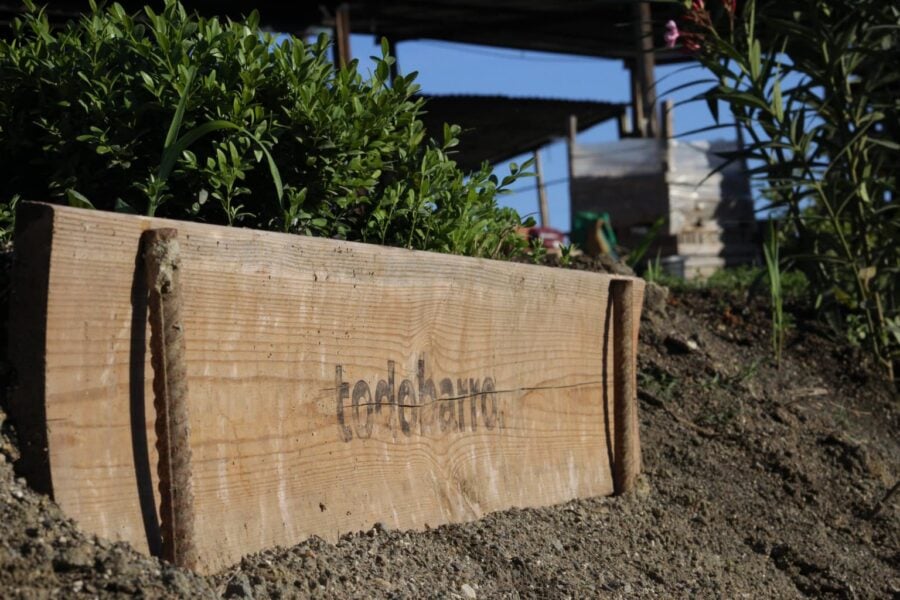
If you happen to have a plot of land where to put your garden, we recommend using terracotta bricks to retain the soil and keep the earth in place, while allowing the passage of water and the creation of micro-habitats for the local fauna that can fit through the cracks.
The allyship between fired clay and agriculture
Clay is useful, common and naturally occurring in nature, and, as such, present in all cultures of the world. The first thing human beings did as a community was to master agricultural techniques, and where there is water and earth there is clay.
The Nasrid people taught us that a dry stone wall is the best way to contain the earth. It’s crazy that such a simple technique manages to retain the soil, filter water and provide shelter to species that are indispensable for ecosystemic balance (like earthworms or pollinators) -Enrique Salvo Tierra for todobarro
Nowadays, perhaps we don’t need so desperately a terracotta wall in our garden, but it will always be a material that agrees with any gardening practice, since, like doctor Salvo Tierra explains, it allows for the water to be filtered and for the soil to be retained. Besides, being a porous material of irregular borders, it allows for life to thrive on its joints (when those haven’t been sealed, of course).
The last winning argument is that it looks so pretty! Our fired clay bricks and tiles organically blend with natural elements, creating peaceful, stylish paces, filled with beauty.

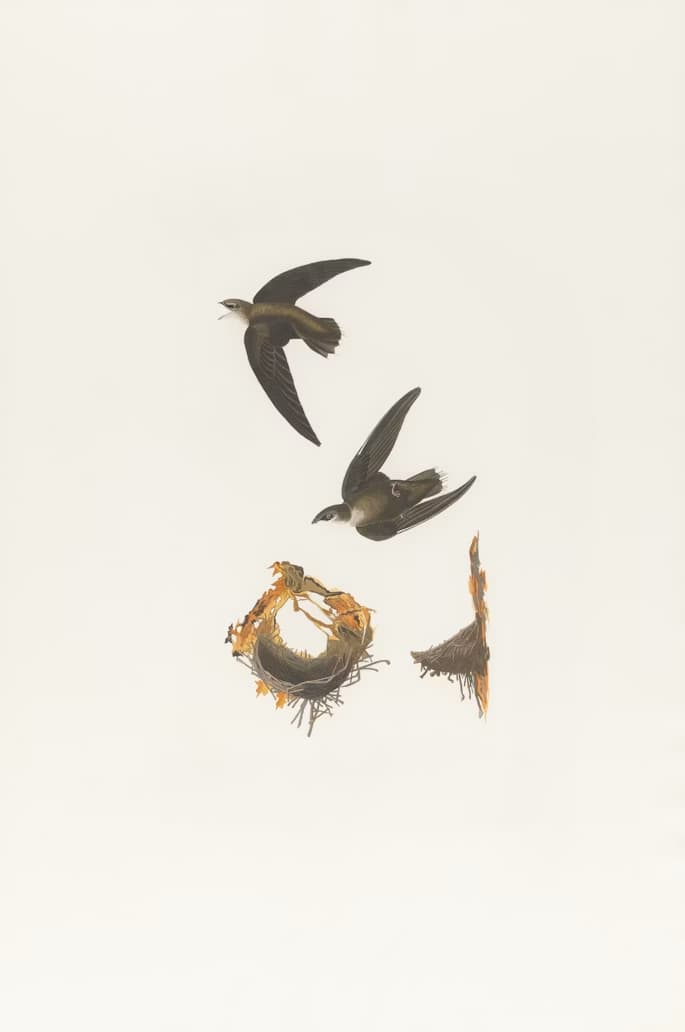
TERRANIDO project: an initiative to care for the urban birds of Andalucía
All over the cities and towns of Andalucía, a strategic point of the migratory routes between Europe and Africa for insectivore urban birds, swallows,…

Film forum in Malaga for World Ocean Day: “Ocean, with David Attenborough”
Since the early nineties, every 8 of June we celebrate the World Ocean Day: a date that celebrates, vindicates and educates the public about…

Update on the BIOECOREST project: using the Guadalquivir sludge to foster marine regeneration through circular ecology
Last year on our blog we talked about a research project that was in its early stages. It was about investigating how clay technologies…

The Fundación Juan March invites Pedro Rosa to participate in a conversation about Neocraftsmanship for its “Arts and Crafts” cycle
The Fundación Juan March is a renowned institution that has been dedicated to promoting cultural offer and quality in our country for over seventy…